
Valuable values
A week bookended with discussions about values got us considering our own and how easy it is to misunderstand each other when there is a clash of values.

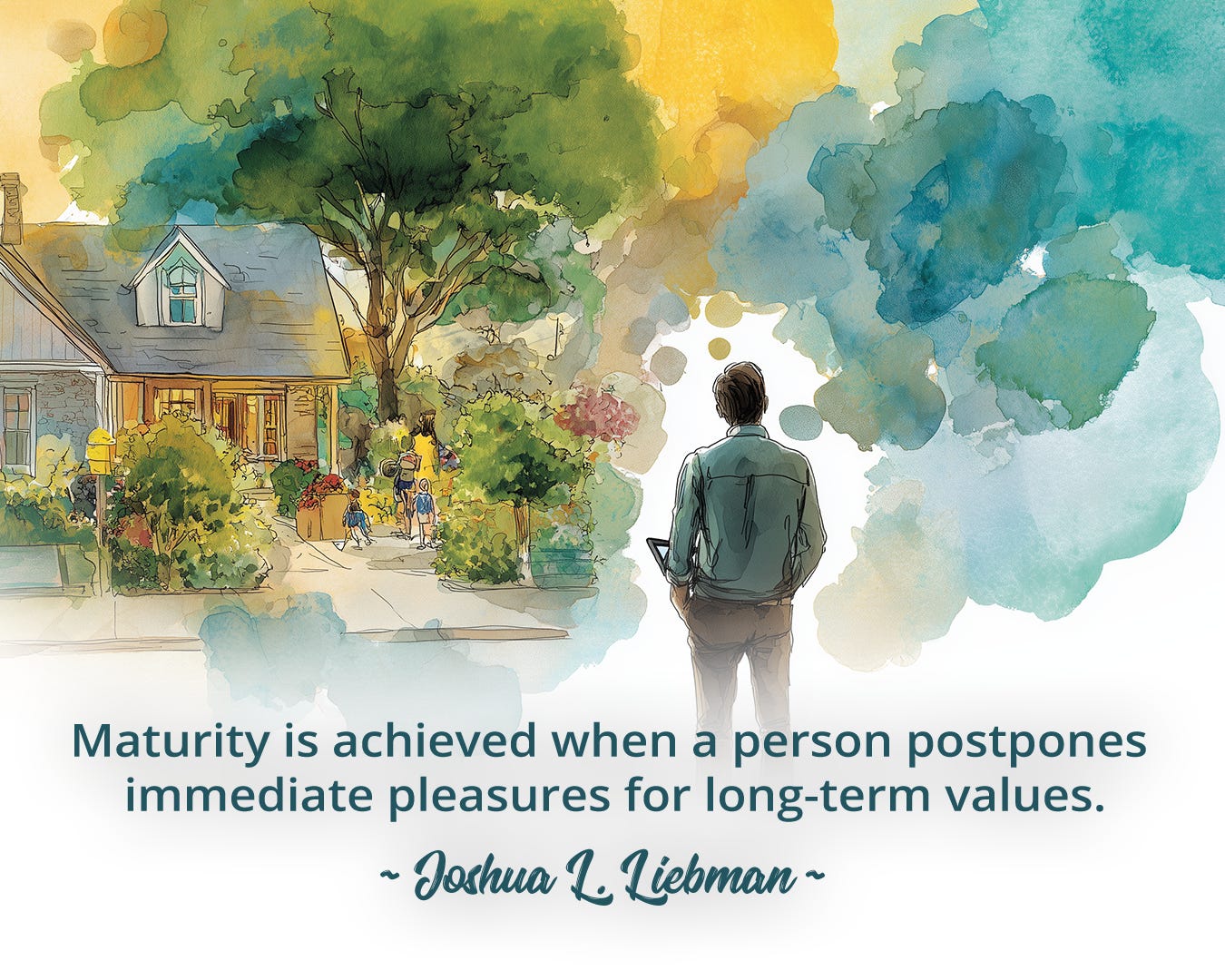
Values are fundamental principles that guide our actions and decisions. They are what we consider important in life and act like an internal compass.
We often think we know what our values are. We rattle off words like respect, integrity, tolerance and care. Given a longer list of potential values and time to consider them carefully, we may be surprised to realise that maybe they are not as clear as we assumed.
The week was bookended by discussions about values. On Monday there was a discussion about values at a monthly meeting of a cohort of coaches who are part of an online coaching offering. It was acknowledged that values can be a useful tool and starting point for a coaching engagement.
The working week ended with another exploration of values. This time at an online gathering of international coach supervisors that Chantal attended. This session focused on values in the context of coaching supervision.
In breakout rooms there were lively discussions about our own values, what we understand values to be and what happens when we encounter a clash of values.
What we value
Inherently values are about what we value. Or what we think we value. Many years ago, when Chantal was a member of an international business organisation she was often intrigued at the number of her co-members who would say that family was a core value of theirs. Their work, travel, and corporate responsibilities, however, often took them away from home and the family that was, according to them, core to who they were.
“Maybe their idea of family as a value was different from yours,” reflected Matthew.
“Yes, maybe “family” for them was more like providing for their family. Offering their children what they may not have had growing up?” replied Chantal, deep in thought.
The actual words that we offer as our values could mean very different things to different people depending on their background, upbringing, education and need.

What are values actually?
At the Friday online session there was some discussion about what values actually are.
“Can ‘love’ be a value?” asked one participant, “And if so, can ‘hate’ be a value? And if not, why not?”
A provocative question and one we did not have the time or opportunity to debate.
“I see values as a personal language of need,” another participant said, “Often born out of a lack of having experienced something as a child.”
“And when there is a clash of values it can lead to deep misunderstanding and conflict,” said Chantal.
Matthew has a core value of kindness. He is quick to assist, take care of and engage others with compassion. Chantal has a core value of self sufficiency. Can you see how these two values could clash?
As a simple example, in the beginning of their relationship, when Chantal got herself a glass of water and didn’t bring Matthew one, he wondered at her lack of care. It upset him. Chantal meant no harm, she just believed that if Matthew wanted water he’d get it for himself.
Once both of us understood our drivers and could appreciate our differences, these kinds of incidents no longer elicited inner, or outer, conflict. Instead there was a growing appreciation for the benefits of the other’s approach.
Dynamically spiral
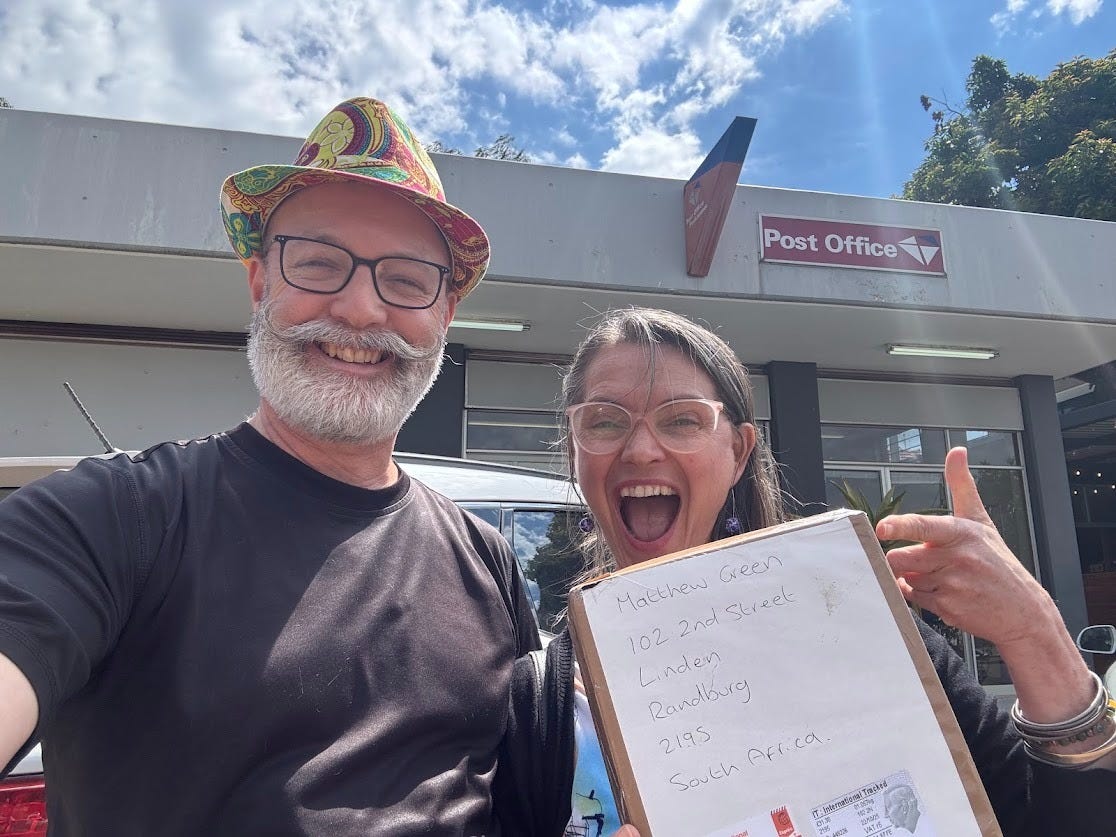
Spiral Dynamics is a theory of human development that is based on values. Chantal was introduced to it when she studied for her Masters. When we attended a presentation on the theory some years ago, Matthew became fascinated with it too.
Spiral Dynamics is based on the idea that human nature is not fixed. It suggests that when faced with new circumstances, humans can adapt by developing new, more complex ways of understanding the world to solve problems.
In addition, it tracks these historical changes as societies evolve from one method of production and survival to another, following an ever-expanding spiral trajectory from simpler to more complex forms of development.
The model was used to facilitate the transition from apartheid to democracy, here in South Africa, helping to guide peaceful change by understanding the different value systems at play. It was even used in the preparation of the Springboks in the run up to the 1995 Rugby World Cup.
Both of us often approach what is transpiring in our country through the lens of Spiral Dynamics as we find that it helps us understand the situation better.
At times we have witnessed what we see as a clash of values. The lack of comprehension and conflict that arises plays out in the media. In a country where we pride ourselves on our diversity this leaves a bad taste in our mouths.
Listening to ignite
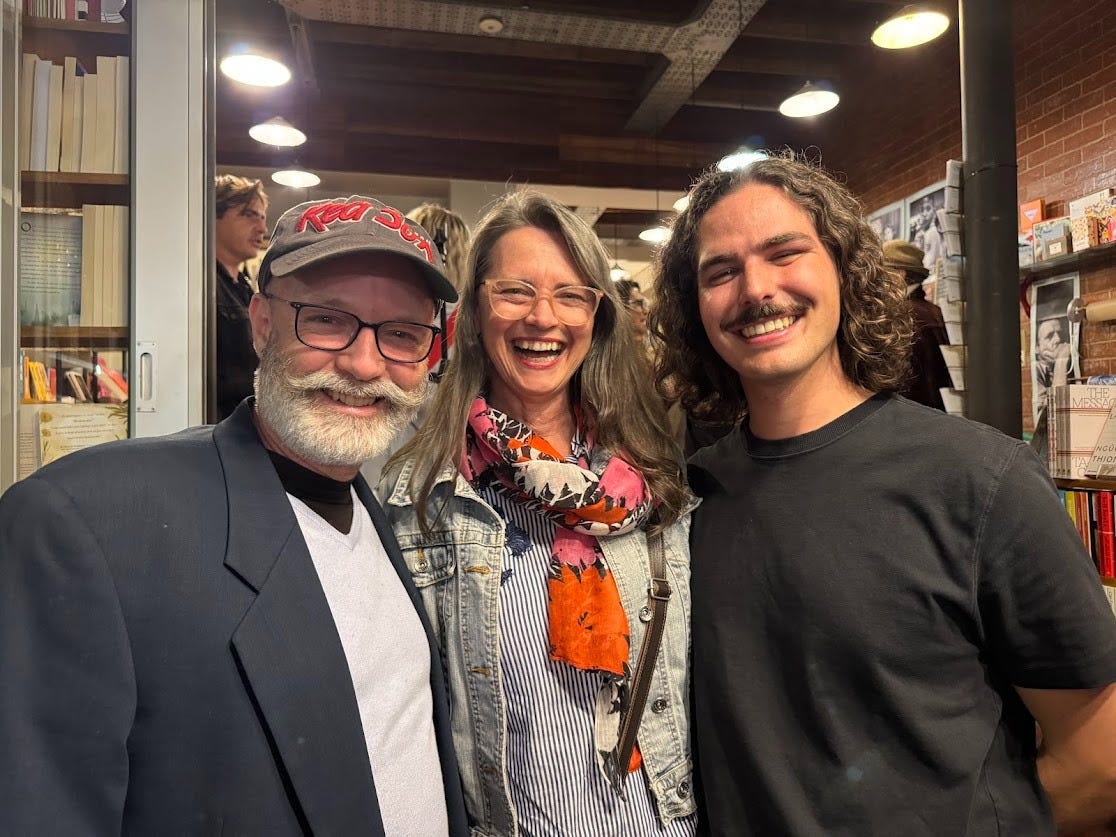
It is all in the understanding. When we pause to get a better perspective of the other person or delve deeper to surface what value is driving the action or behaviour, then it is so much easier to accept, because we understand and have more insight.
It’s an Aha! moment that enables better connectedness and an opportunity to be more compassionate.
The fifth habit from Steven Covey’s The 7 Habits of Highly Effective People is “Seek first to understand, then to be understood”. He talks about this habit being built on the principle of respect and intentional, empathic listening. It aligns to the 5th Place principle of “Listen to hear”.
When we do this kind of listening we hear what the other person has to say and then we pause before we respond. That response is not one that negates the other or competes with them, rather it may be a question for clarification or a summary of what we have heard to check that we have heard correctly.
To remain actively curious about the other person offers a window to their world and a touch point to connect around. In the words of Nancy Kline it is “listening to ignite the human mind” where “attention is an act of creation”.
Valuable role models
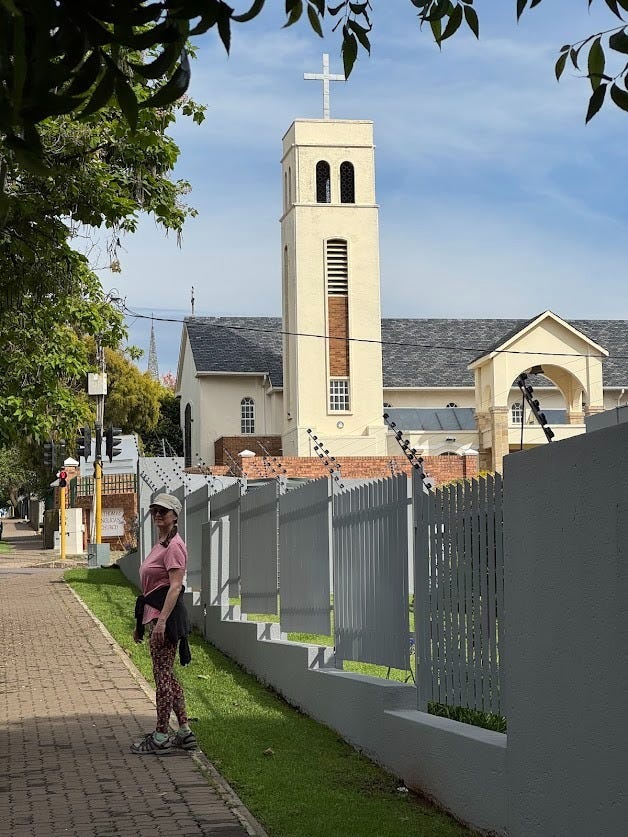
Our Sunday walk was alive with talk of values and the Springbok vs Ireland game. We reflected that the Springboks operate with a set of values that honour the work ethic, development and outcomes of the team as key. While each individual is respected for their talent and performance. No one person is viewed as more important than the team as a whole.
Each person knows what their job is and what it takes to keep it. Players never take credit for awards without acknowledging the team, the coaching staff and the supporters. They stand for diversity, integrity and responsibility. They are humble and proud of the place they have and the impact they make in an often challenging national environment.
The Springboks have been valuable role models in a country where the disintegration of values at a government level has been hard to witness. They are an indication of what can be achieved if everyone’s behaviour and actions are in alignment to the value system of the bigger group.
Values are important drivers and the reason for both conflict and connectedness. Do you know what your key values are? Can you recognise where they help with deeper connectedness? Could they have stimulated conflict at all? Is there space to be curious about our values in a way that contributes to building relationships and growing better communities?
Until next time.
Yours in feeling,
Chantal & Matthew
Credits for this issue — Images: 5th Place
Written by

Chantal Dawtrey
Supporting women, especially in midlife and beyond, to navigate life transitions · Emotional fitness coach
Chantal supports women, especially in midlife and beyond, to navigate life transitions. She designs and delivers data informed digital programmes that build organisational emotional fitness. She helps people move beyond habitual patterns into greater awareness, agency, and well being.
With over 15 years of coaching experience and more than two decades in facilitation and human development, Chantal partners with individuals, teams, and organizations to build emotional resilience, enhance self-awareness, and develop sustainable well-being strategies.
Her primary focus as a coach is supporting women, especially those in their 50’s and beyond, to navigate profound life transitions with clarity, steadiness and self-reconnection. Finding answers to questions about identity, purpose, belonging and desire to an emergence, a reclamation and a return to self.
If you're going through a transition and would like support, let's talk.

Matthew Green
Reducing the Certainty Deficit in high-performing people and teams · Emotional fitness coach
Matthew works with athletes, performance teams, and anyone who wants to reduce the Certainty Deficit in their situation or context.
The Certainty Deficit is the space between what you can do and what your body will let you do when it counts. It is context-specific and situational. A person or athlete can have zero deficit in one situation and a significant one in another.
The body holds beliefs that keep the Certainty Deficit in place. These beliefs run deeper than self-talk and faster than any conscious strategy. When they shift, the ceiling shifts, and new possibilities arise.
Matthew is also an emotional fitness coach who supports individuals to live and lead from a place of inner clarity and stability. The work is somatic-first, practical, and grounded.
If you're seeing a pattern that current approaches haven't shifted, let's talk.
My origin story: Why elite athletes underperform when it counts
More from Enabling the How

It’s the oats
After weeks of challenge on many fronts it felt as if a threshold had been crossed. A smoother week with resolutions and relief.

The soundtrack to our lives
Leah knows what music she likes, so do we. Music is important to us and has a useful lesson to teach too.

All is not fair
The Boks are back and it’s great to be on the winning side but a wrong call by the ref can change that and the way we feel. All is not fair so managing our state is the real job to be done.