
It’s all in the tone
Tone of voice is crucial for communication and can sound the difference between conflict and care. Not so easy to express when texting.

“Don’t use that tone with me, Missy,” said Chantal’s Mom to her young daughter who had just whined about something she thought was unfair. Whatever it was that Chantal had said, it was the way she had said it that got up her mother’s nose.
Words are powerful, yet it is more often the tone, rather than the actual words themselves that conveys the full message. If you watched any of Downtown Abbey you would be able to “hear” the tone used by Maggie Smith as Dowager Countess Violet Grantham in this interaction:
Isobel: “How you hate to be wrong.”
Violet: “I wouldn’t know, I’m not familiar with the sensation.”
Or Severus Snape, famously portrayed by Alan Rickman in the Harry Potter movies:
“That is the second time you have spoken out of turn, Miss Granger. Tell me, are you incapable of restraining yourself, or do you take pride in being an insufferable know-it-all?” — Harry Potter and the Prisoner of Azkaban.
Tone changes the message.
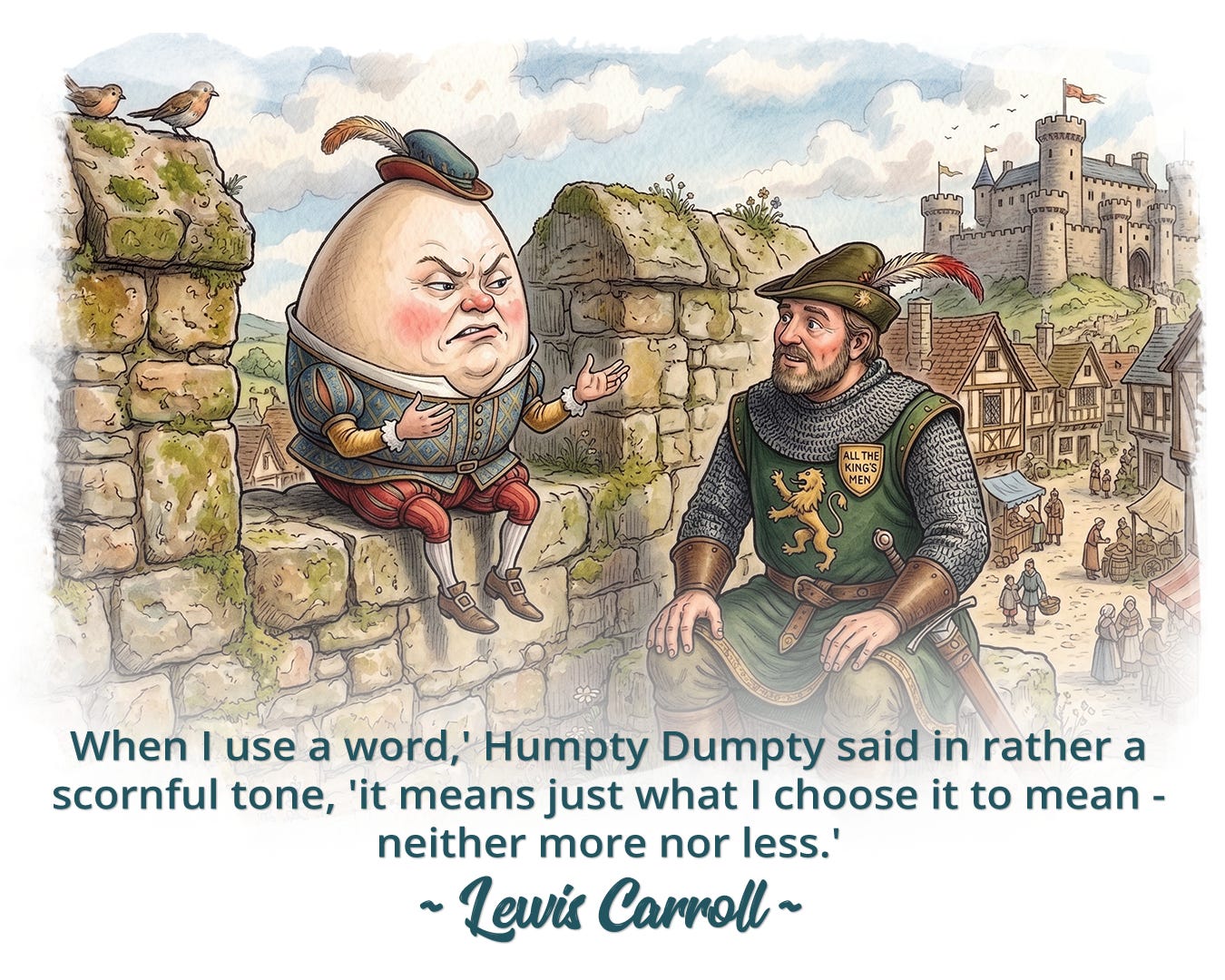
Tone of voice
Those whose “Love Language” is Words of Affirmation are hard wired to tone. They can spot an inauthentic complement at lips parting. Words are important but it’s always about how they are said. A gruff voice can send a Words of Affirmation individual diving for cover.
If you are an auditory learner, from the VAK model of learning — Visual, Auditory, Kinesthetic — sound helps you learn, or stops you in your tracks. The tone of a teacher’s voice can encourage or close down, all input to the child hyper sensitive to sound.
Chantal is not prone to sweet tones. She was brought up to compete on the words-front with a bundle of loud brothers. Sweet talk and soft words never worked with them so she never developed the habit of a gentle timbre until much, much later in life.
Matthew was raised by a clipped and focused mother which influenced his way of engaging. Known for his smooth and rich voice, his swift turn of phrase can come across terse and disdainful.
For both of us, tone has led to conflict. Matthew, like his father, has an extensive vocabulary and he is extremely intelligent. It is easy to hear superciliousness in his voice. Chantal has a penchant for impatience. Somewhat difficult hiding that.
In our families, with our children, with colleagues, staff, and with each other, tone has led to unnecessary combatitiveness. Like any road to change, it took a raised awareness of the way we speak and how we come across, to begin the process of learning another way.

Street kerfuffle
The issue of tone is something, although we take it for granted, that we deal with daily when we use text messages. From emails to Whatsapps we get ourselves into a bind. Their meaning risks being misconstrued more often than not. We use emojis to convey our tone. But even those get misread.
Just last week we had a kerfuffle on the street group. Someone saw a lone man leaning on a car that had seen some wear. He was holding his mobile phone up to his face. It looked as if it was pointed suspiciously towards a gate.
The street erupted in a frenzy of protective action. Who was this man? What was he doing on the street? Why was he taking photos of someone’s gate? Was he casing the place? Messages zinged back and forth filling the group’s feed and stirring up emotions.
Then a rather indignant message broke through the waves of concern to say that the person in question was his tenant. He did not appreciate the undertones of the messages because of the race of the person.
The street group erupted again. In defense of their positions, calling out anyone who did not side with them, misunderstanding each other’s comments left, right and centre. It was a street fight without actual bodies boxing. All because of tone.
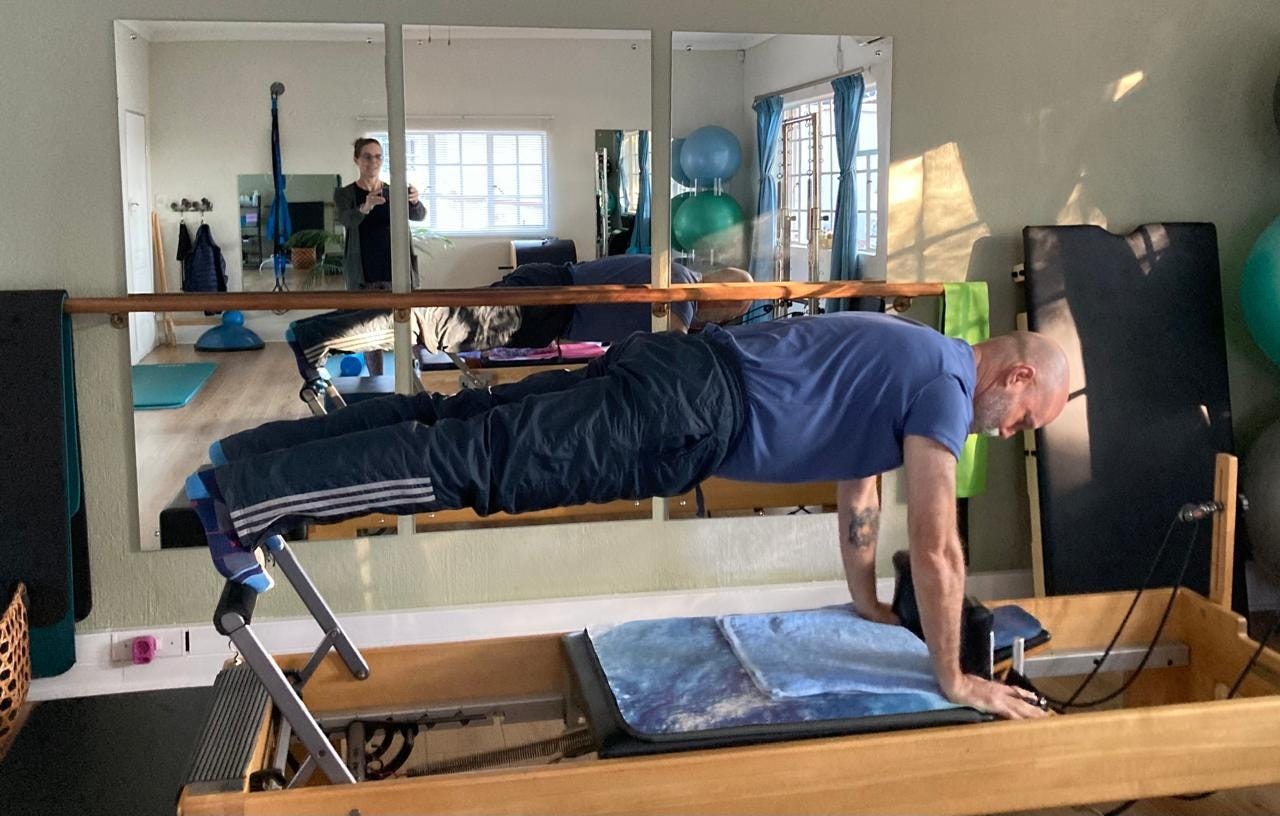
Line of fire
Matthew had also been in the line of fire in the street group chat. His benign suggestion to engage with the said individual resulted in wails of indignation. A particularly affronted soul metaphorically jabbed him in the chest in the group chat.
He responded directly to the person so as to take the issue off line. This did not ease the tension. No-one could really see the other’s point of view.
“I could – but she was still wrong,” stated Matthew, his feathers still ruffling.
He retreated after one too many long winded diatribes sloshed into his feed. Nothing would have placated the upset neighbour. They were reading RED and no amount of trying to manage the tone made any difference.
A few days later and the tumultuous interaction was all but forgotten. The messages were lost in the posts of a missing dog, an open gate and a query about slow internet.
We have learned that it is better to stay out of the fray. Especially because it is so difficult to convey tone and meaning when people are emotional. It’s best to read, drop the phone, and walk away. For a while at least to flatten the hairs and soften the feathers.
Until next time.
Yours in good tone,
Chantal & Matthew
Credits for this issue — Images: 5th Place
Written by

Chantal Dawtrey
Supporting women, especially in midlife and beyond, to navigate life transitions · Emotional fitness coach
Chantal supports women, especially in midlife and beyond, to navigate life transitions. She designs and delivers data informed digital programmes that build organisational emotional fitness. She helps people move beyond habitual patterns into greater awareness, agency, and well being.
With over 15 years of coaching experience and more than two decades in facilitation and human development, Chantal partners with individuals, teams, and organizations to build emotional resilience, enhance self-awareness, and develop sustainable well-being strategies.
Her primary focus as a coach is supporting women, especially those in their 50’s and beyond, to navigate profound life transitions with clarity, steadiness and self-reconnection. Finding answers to questions about identity, purpose, belonging and desire to an emergence, a reclamation and a return to self.
If you're going through a transition and would like support, let's talk.

Matthew Green
Reducing the Certainty Deficit in high-performing people and teams · Emotional fitness coach
Matthew works with athletes, performance teams, and anyone who wants to reduce the Certainty Deficit in their situation or context.
The Certainty Deficit is the space between what you can do and what your body will let you do when it counts. It is context-specific and situational. A person or athlete can have zero deficit in one situation and a significant one in another.
The body holds beliefs that keep the Certainty Deficit in place. These beliefs run deeper than self-talk and faster than any conscious strategy. When they shift, the ceiling shifts, and new possibilities arise.
Matthew is also an emotional fitness coach who supports individuals to live and lead from a place of inner clarity and stability. The work is somatic-first, practical, and grounded.
If you're seeing a pattern that current approaches haven't shifted, let's talk.
My origin story: Why elite athletes underperform when it counts
More from Enabling the How

It’s the oats
After weeks of challenge on many fronts it felt as if a threshold had been crossed. A smoother week with resolutions and relief.

The soundtrack to our lives
Leah knows what music she likes, so do we. Music is important to us and has a useful lesson to teach too.

All is not fair
The Boks are back and it’s great to be on the winning side but a wrong call by the ref can change that and the way we feel. All is not fair so managing our state is the real job to be done.