
The wonder of weeds
A book launch about weeds gave us a whole new perspective on these wonderful plants. We may want to rip them from our gardens but they act as messengers to take heed of.

It was a nondescript property bordered by sand roads. A long driveway shaded by trees wove itself around the side of the nondescript house to the back. Similar plots surrounded this one, some with horses and others with a few cattle grazing quietly.
Up a few stairs a door opened into a large room lined with dinky tables and chairs. Outside and down a short hill was a small rondavel where a gaggle of small children gathered inside and out playing an assortment of games. This was where Chantal and her brothers went to nursery school.
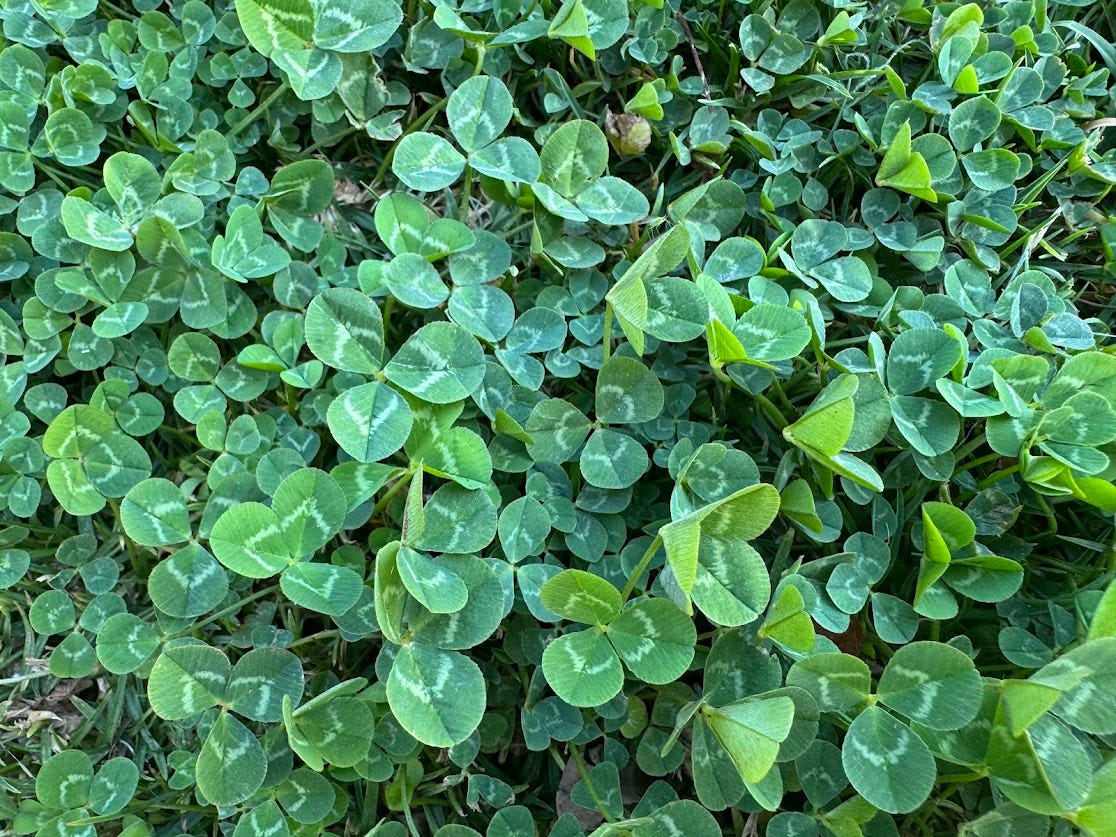
There were trees to climb and a pond to catch frogs and paddle in. An acre of garden was filled with shady trees. Higgledy piggledy flower beds sprouted clumps of what looked like giant clover leaves between the cannas and impatiens.
The children called these plants “yum-yums”, and would regularly yank handfuls out of the soil, shake them off and eat them. The sour taste tickled their mouths and made them smile.
Who would have known that decades later we would attend a book launch that would put a name to those garden nibbles.
Soil healers
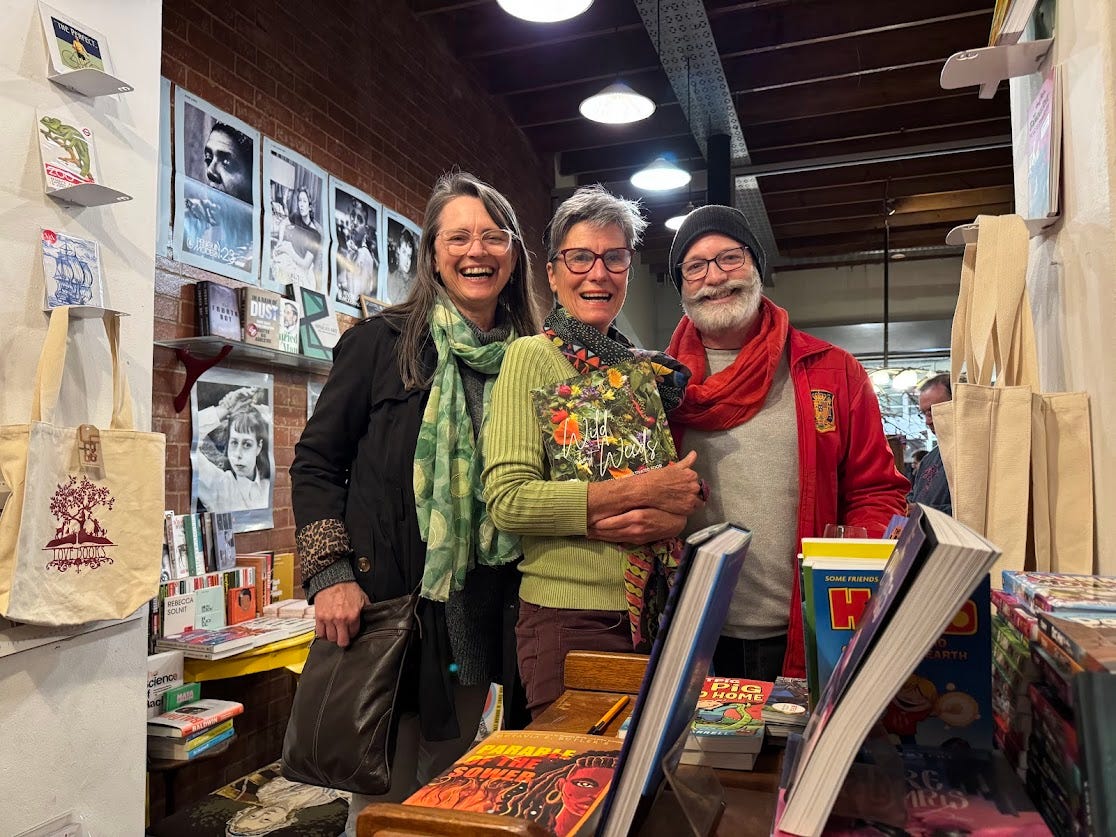
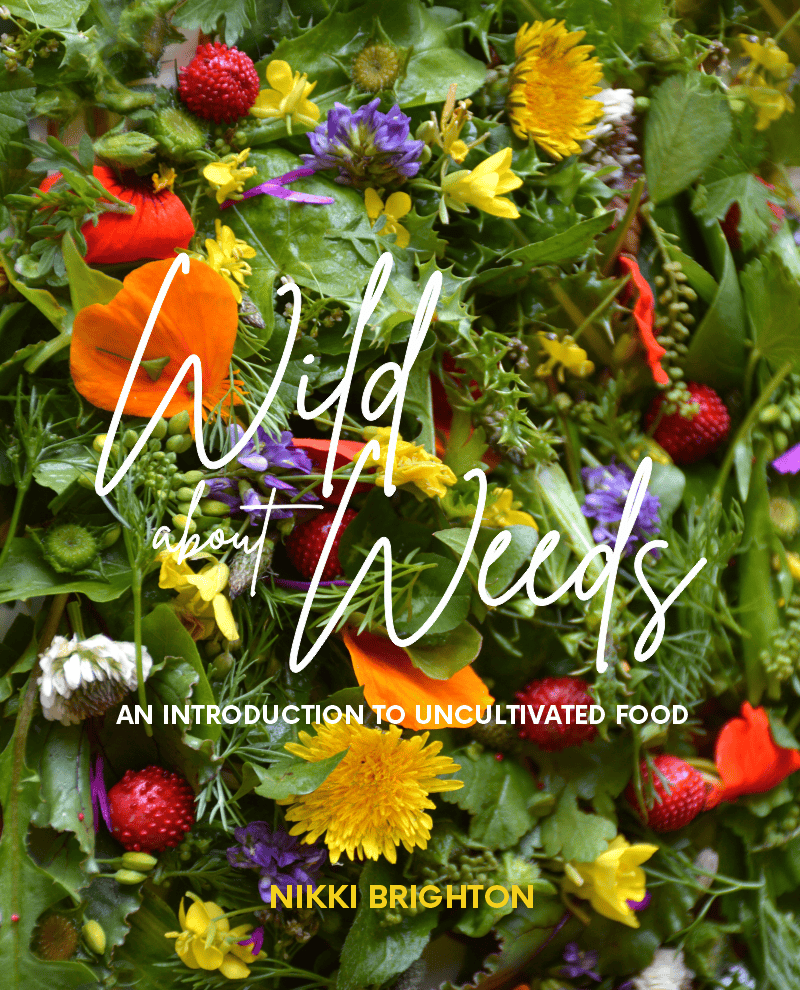
Last Tuesday evening we attended the book launch of Wild about Weeds, by Nikki Brighton, at Love Books in Melville. As Nikki started her talk she stood next to a table overflowing with jars of plants, all of which she had collected in the grass verge across the road. All the plants were what we would call weeds. All of them were also edible.
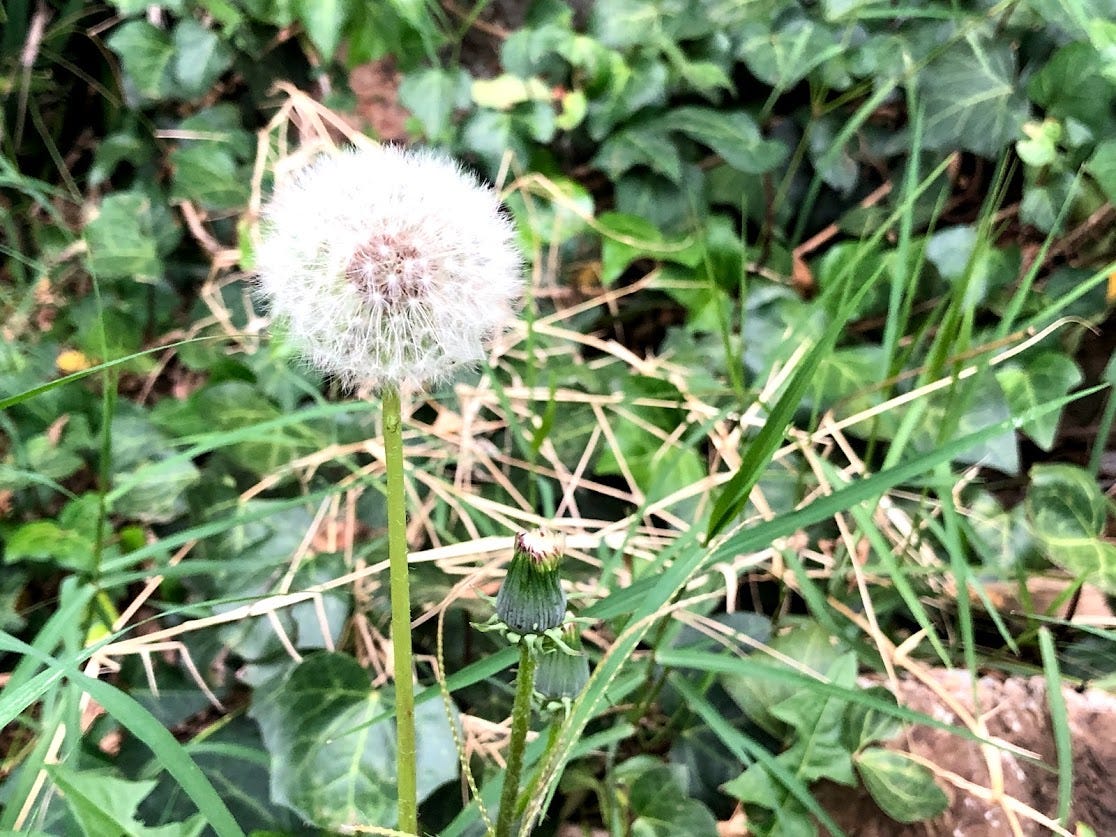
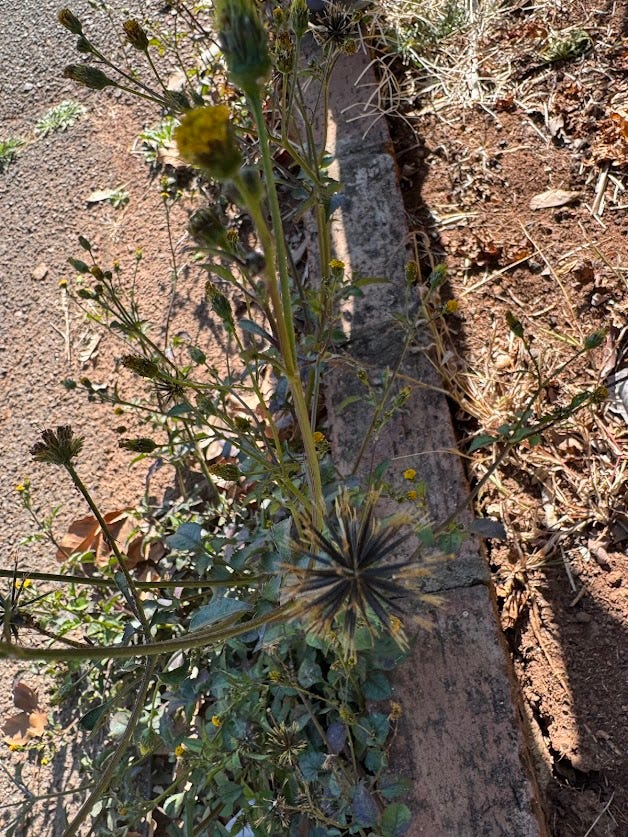
Nikki opened our eyes to a side of weeds that we were unaware of. We knew that weeds grow where the soil is depleted. More than that, weeds are soil healers. They are indicators of what nutrients are missing in the soil and they work to bring it back into balance again.
“Weeds are actually wonderful,” remarked Chantal, feeling a little less anxious about clearing the driveway of their sprouting nodes.
Weeds prevent soil erosion by providing ground cover on top and root binding below. They provide homes and food for microbes and insects. And many can be foraged and eaten by humans too.
Forager’s feast
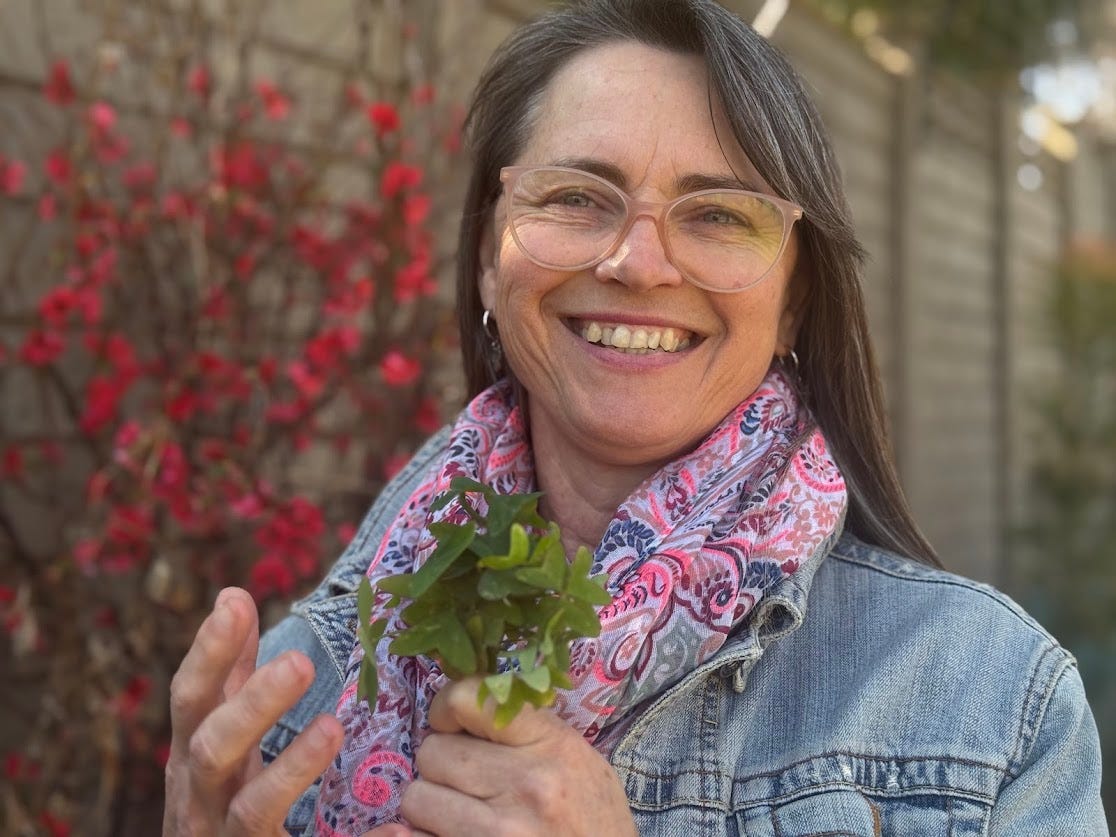
Tall majestic burgundy or green amaranth grows the most nutritious leaves available to humans. Blackjack, dandelion, khakibos, fleabane, chickweed, onion weed, mallow and nettles are all weeds that can be eaten in salads, nibbled, cooked, infused or steeped as tea.
Chantal’s yum yum’s are actually oxalis. The pretty leaves can be added to salads or made into a lemonade.
“Yay, now I know what they are called,” she enthused, wondering at the wisdom of kids who played freely in the veld and tested and tasted as they went.
We took Nikki’s little reference book that we purchased at the book launch with us on our next walk. Suddenly the pavements with their splits and cracks became far more interesting. The green leafy plants that crawled through the crevices now had names. Dry flower beds outside property walls revealed a treasure trove of ingredients. Our neighbourhood had become a forager’s feast.
“The food crisis may just be averted if all we do is allow the weeds to proliferate,” joked Matthew.
Sending signals
Just as the weeds send signals about the soil, so do our bodies consistently send signals to us about our health and wellbeing. More often than not we ignore, numb or mask the signs.
Ever present in our modern lives, stress sends cortisol coursing through us promoting fat storage, lowering our metabolism while also stimulating our appetite. We comfort eat and devour empty calories that do not support our system. Our tastebuds have become flattened by too much salt and artificial flavouring so we grab the bag of chips instead of crunching through an apple.
We have depleted our nutrient source by consuming too much refined sugar, empty carbohydrates and toxic oils. Our bodies pucker and clog. The weight packs on and we weep in frustration. And stress about this too.
Messages all around
We could do worse than nibble on a few weeds, full of nutrients and freely available. Instead we rip them out of the ground and discard them in rubbish dumps. We could do a lot of things but we don’t. We have lost the links to what is good for us: connections, community, our very landscape.
We can learn so much from nature, even from that nature we see as invasive and “bad”. Especially from the plant life that we perceive as encroaching and unfit.
Our bodies constantly communicate with us and our emotions are immediate messages. Our emotions, like weeds, are the pioneering signallers. They send us messages about our environment, our experiences, our lifestyle, our relationships and our work. Messages, that if ignored, could translate into physical manifestations of illness and pain.
We have forgotten how to tune in to what is real. Instead, we look to our screens for answers and distraction. We miss the signs and the signals, the indicators of our world, both internal and outward. There are messages all around us. We just need to stop to take them in.
Until next time.
Yours in feeling,
Chantal & Matthew
Credits for this issue — Images: 5th Place
Written by

Chantal Dawtrey
Supporting women, especially in midlife and beyond, to navigate life transitions · Emotional fitness coach
Chantal supports women, especially in midlife and beyond, to navigate life transitions. She designs and delivers data informed digital programmes that build organisational emotional fitness. She helps people move beyond habitual patterns into greater awareness, agency, and well being.
With over 15 years of coaching experience and more than two decades in facilitation and human development, Chantal partners with individuals, teams, and organizations to build emotional resilience, enhance self-awareness, and develop sustainable well-being strategies.
Her primary focus as a coach is supporting women, especially those in their 50’s and beyond, to navigate profound life transitions with clarity, steadiness and self-reconnection. Finding answers to questions about identity, purpose, belonging and desire to an emergence, a reclamation and a return to self.
If you're going through a transition and would like support, let's talk.

Matthew Green
Reducing the Certainty Deficit in high-performing people and teams · Emotional fitness coach
Matthew works with athletes, performance teams, and anyone who wants to reduce the Certainty Deficit in their situation or context.
The Certainty Deficit is the space between what you can do and what your body will let you do when it counts. It is context-specific and situational. A person or athlete can have zero deficit in one situation and a significant one in another.
The body holds beliefs that keep the Certainty Deficit in place. These beliefs run deeper than self-talk and faster than any conscious strategy. When they shift, the ceiling shifts, and new possibilities arise.
Matthew is also an emotional fitness coach who supports individuals to live and lead from a place of inner clarity and stability. The work is somatic-first, practical, and grounded.
If you're seeing a pattern that current approaches haven't shifted, let's talk.
My origin story: Why elite athletes underperform when it counts
More from Enabling the How

It’s the oats
After weeks of challenge on many fronts it felt as if a threshold had been crossed. A smoother week with resolutions and relief.

The soundtrack to our lives
Leah knows what music she likes, so do we. Music is important to us and has a useful lesson to teach too.

All is not fair
The Boks are back and it’s great to be on the winning side but a wrong call by the ref can change that and the way we feel. All is not fair so managing our state is the real job to be done.